Suction Catheter
Suction Catheter: High-Flow Atraumatic Suction Device for Extracorporeal Circulation & Cardiac Surgery
For global medical procurement teams and clinical engineers, stable atraumatic suction performance is critical during extracorporeal circulation and cardiac surgery. Traditional suction tools often cause tissue damage, blocked flow, and unstable surgical field clearance. A high-quality suction catheter ensures maximum blood clearance flow with minimal trauma, maintaining a clean surgical field for precise intraoperative operation and improving overall surgical safety. This B2B professional guide covers authoritative classifications, parameters, application scenarios and standardized selection rules for global medical buyers.
Table of Contents
1. What Is a Suction Catheter?
A suction catheter is a professional intraoperative medical suction device specially optimized for cardiac and extracorporeal circulation surgery. It is designed to rapidly clear excess blood, exudate and residual debris from the surgical site. Balancing high-flow suction performance and atraumatic tissue protection, it maintains a clean, stable surgical field and guarantees precise operation throughout complex cardiovascular procedures.
[Image placeholder: Medical Suction Catheter product display]
2. Classification of Medical Suction Catheters
According to structural design and applicable patient groups, clinical suction catheters are divided into two core categories:
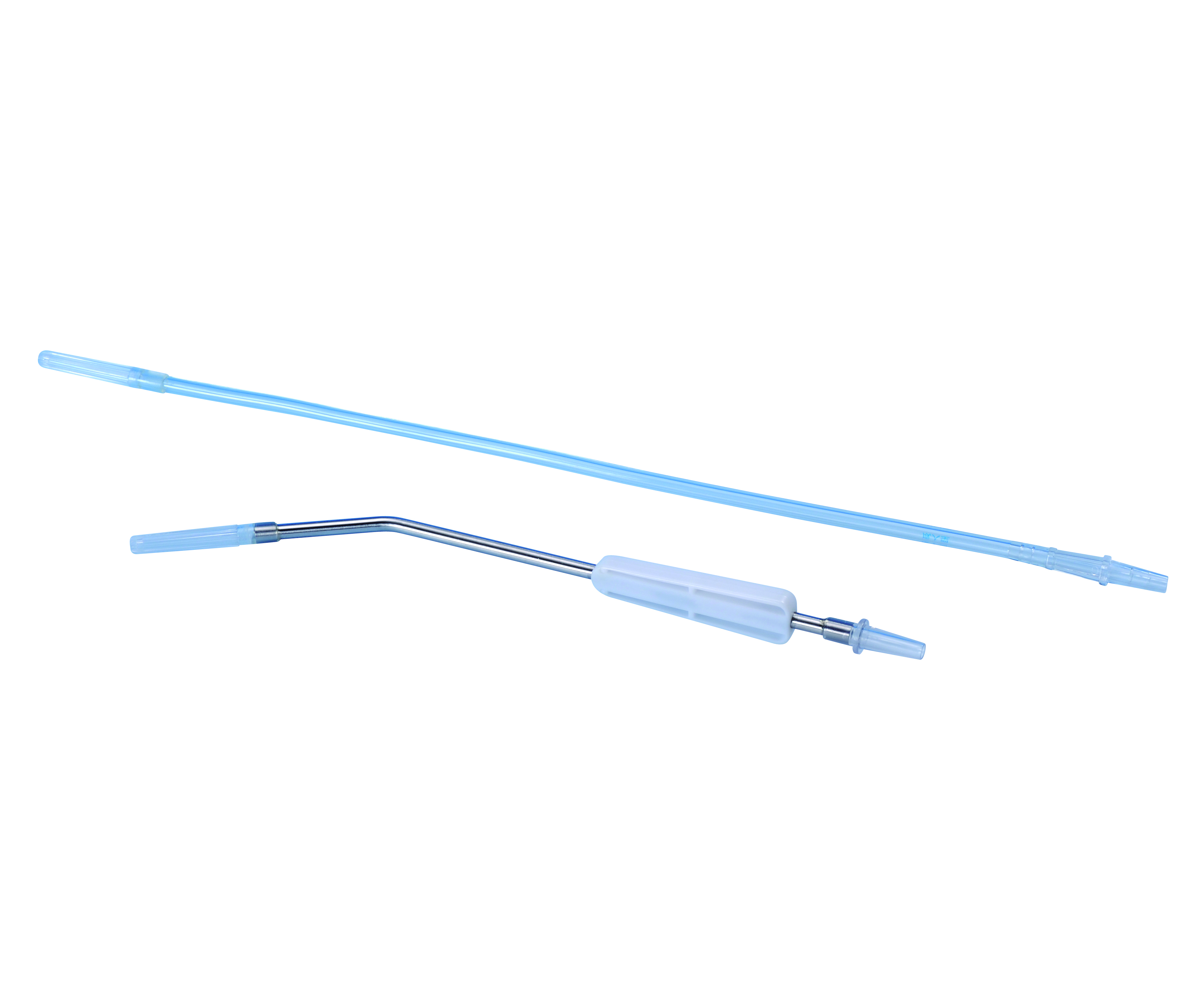
- Rigid Intracardiac Suction Catheter: Equipped with ergonomic plastic grip for stable handheld operation, delivering maximum suction flow; ideal for conventional adult cardiac and extracorporeal circulation surgery
- Soft-Tip Intracardiac Sump Catheter: Adopts optimized soft atraumatic tip design, minimizing myocardial and vascular tissue irritation; available in dedicated pediatric and adult sizes for precise age-group matching
3. Core Product Features & Data Source
Verified Technical Features (Official Product Data)
- High-flow performance: Maximizes surgical debris and blood suction efficiency during extracorporeal circulation procedures
- Atraumatic design: Soft-tip structure minimizes intraoperative tissue trauma and organ irritation
- Humanized grip: Rigid model equipped with comfortable plastic grip for stable and flexible doctor operation
- Pediatric optimization: Softer tip configuration for pediatric models to adapt to delicate pediatric tissue characteristics
- Dual-size coverage: Complete adult and pediatric specifications to cover full clinical age-group demands
- Standard compliance: Manufactured under ISO 13485 medical quality system for global clinical procurement standards
Data Source: Power On Medical official suction catheter technical specification document
4. Clinical Applications & Indications
The suction catheter is a core supporting device for extracorporeal circulation and cardiac surgery, widely used in high-precision clinical scenarios:
- Cardiac intracardiac surgery intraoperative blood and residual fluid clearance
- Extracorporeal circulation assisted minimally invasive and open cardiovascular procedures
- Pediatric and adult cardiac surgery atraumatic surgical field cleaning
- Complex thoracic surgery requiring stable high-flow intraoperative suction
- Post-operative residual exudate cleaning and surgical wound auxiliary treatment
5. Standard Suction Catheter Selection Steps
[Image placeholder: Suction catheter intraoperative application scenario]
- Confirm patient type: Select adult or pediatric size according to surgical population
- Match surgical complexity: Choose rigid high-flow model for large trauma surgery, soft-tip sump model for precise intracardiac operation
- Verify atraumatic tip design to reduce intraoperative tissue injury risks
- Check grip ergonomic design for long-duration surgical operation stability
- Confirm ISO 13485 certification and sterile medical manufacturing standards
- Match batch procurement specifications for hospital and medical device supplier projects
6. Professional Buyer FAQs
Q1: What types of suction catheters are available for clinical use?
A1: It includes rigid intracardiac suction catheters and soft-tip intracardiac sumps, with both adult and pediatric size options to fit diverse surgical needs.
Reference: Official product classification standard
Q2: What are the advantages of rigid intracardiac suction catheters?
A2: It features maximum suction flow and low trauma performance, paired with a comfortable plastic grip to ensure stable and efficient intraoperative blood clearance.
Reference: Official product feature description
Q3: What is the design feature of pediatric suction catheter models?
A3: The pediatric version adopts a softer tip structure, which provides gentle suction and effectively protects delicate pediatric cardiac and vascular tissues.
Reference: Official pediatric parameter specification
Q4: Why are these suction catheters suitable for extracorporeal circulation surgery?
A4: High-flow suction capacity and atraumatic tip design ensure efficient surgical field cleaning while avoiding tissue damage, fully meeting the high-precision requirements of extracorporeal circulation cardiac surgery.
Reference: Official clinical application document
7. Summary & B2B Official Inquiry
Suction catheters are indispensable auxiliary devices for modern extracorporeal circulation and cardiac surgery. With dual rigid/soft-tip designs, high-flow atraumatic performance and full adult/pediatric size coverage, they solve core clinical pain points such as insufficient suction efficiency and intraoperative tissue damage. As a 20+ year ISO 13485 & ISO 9001 certified medical device manufacturer, Power On Medical owns automated 10K/100K clean-room production lines, professional R&D system and stable batch supply capacity, serving global top medical enterprises and B2B purchasers with reliable medical device solutions.
Get official product datasheets, bulk pricing and one-stop technical support:
Official Website: www.poweronmedical.com
WhatsApp: +86 13580813246
Email: sales@poweron-mould.com
Manager Tel:0755-89203200
AED
Nasopharyngeal Airway
Related Article