Drug Inhaler
Drug Inhaler: Common Types of Inhalers for Clinical Treatment, Home Care & Advanced Respiratory Therapy
For global medical device buyers, hospital procurement teams and clinical engineers, selecting qualified common types of inhalers directly impacts respiratory treatment stability, patient compliance and long-term care efficiency. Generic inhaler devices often suffer from inaccurate dosage output, poor sealing, no dose reminder and incompatible scenarios, causing unstable treatment effects and frequent replacement costs. Professional drug inhaler devices with standardized MDI and DPI structures solve these pain points, covering full-scene usage for clinical medication, daily home nursing and innovative respiratory intervention solutions.
Table of Contents
1. What Is a Drug Inhaler?
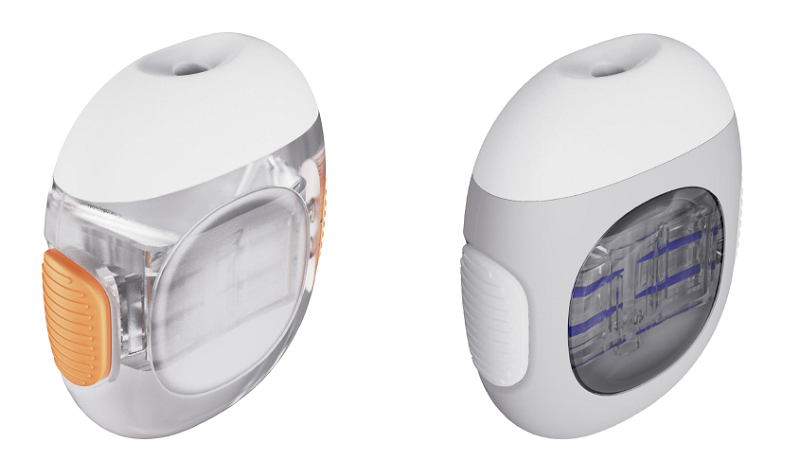
A drug inhaler is a portable respiratory drug delivery device designed for targeted airway medication. It delivers fixed-dose medical drugs directly to the bronchial and lung tissues, offering faster onset and lower systemic side effects than oral medication. As essential medical equipment for respiratory disease management, modern drug inhalers integrate precise metering, leak-proof sealing and visible dose counting, suitable for standardized clinical medication and long-term home rehabilitation nursing.
[Image placeholder: Drug Inhaler product display]
2. Common Types of Inhalers & Technical Classification
The mainstream common types of inhalers used in global medical institutions and home care scenarios are divided into two core technical versions, matching different treatment cycles and patient groups:
- Metered Dose Inhaler (MDI): Standard quantitative aerosol inhalation device with fixed single-dose output. Features stable atomization, easy operation and wide compatibility for emergency symptom relief and daily regular medication, ideal for hospital clinical wards and family first-aid scenarios.
- Dry Powder Inhaler (DPI): Dry powder inhalation structure with high drug utilization rate. Requires simple patient inhalation coordination, suitable for long-term chronic respiratory disease management and standardized rehabilitation nursing programs.
3. Official Product Parameters & Data Source
Verified Official Drug Inhaler Technical Specifications
- Product Type: Metered Dose Inhaler (MDI) / Dry Powder Inhaler (DPI)
- Manufacturing Material: Medical-grade aluminum canister + food-grade plastic body and mouthpiece, safe for long-term medical contact
- Single Dose Output: Standard fixed metered dose per actuation for accurate drug delivery
- Total Dose Options: 60 doses / 120 doses optional for flexible clinical and home usage cycles
- Product Dimension: Compact portable size (approx 105×32mm), easy to carry and store
- Standard Accessories: Protective dust cap, optional auxiliary spacer for pediatric and elderly patients
- Core Application: Symptom relief and daily management for asthma, COPD and bronchial spasm
- Storage Requirements: Stable storage at 5–25℃, avoid direct sunlight and high-temperature environment
- Core Features: Built-in visible dose counter, fully leak-proof sealed structure, consistent dosage accuracy
- Quality Compliance: Compliant with international medical device safety and manufacturing standards
Data Source: Power On Medical official drug inhaler technical datasheet
4. Core Application Scenarios
This series of drug inhalers covers three major mainstream scenarios, fully matching modern medical device procurement and clinical innovation demands:
- Clinical Medication Scenarios: Standard configuration for respiratory departments, ICU and general wards. Used for acute bronchial spasm relief, perioperative respiratory stabilization and standardized inpatient medication management with precise dosage control.
- Home Care & Rehabilitation Scenarios: Portable design for daily chronic asthma and COPD home nursing. The visible dose counter helps patients record medication frequency, avoiding missed or excessive administration and improving long-term rehabilitation compliance.
- Industry Innovation & Frontier Scenarios: Compatible with modern intelligent respiratory intervention systems and community medical popularization projects. Reliable sealing and stable dosage output support large-scale standardized medical device upgrading and public health care system construction.
5. B2B Inhaler Selection Steps for Professional Buyers
[Image placeholder: Drug inhaler clinical and home care application scenario]
- Select inhaler type: Choose MDI for emergency rapid relief or DPI for long-term chronic rehabilitation based on clinical and home care demands
- Confirm dosage specification: Pick 60-dose short-cycle or 120-dose long-cycle models according to batch usage frequency
- Verify material safety: Check medical-grade aluminum and food-grade plastic materials to meet international medical contact standards
- Check core functional design: Confirm built-in dose counter and leak-proof structure to ensure long-term stable storage and accurate dosing
- Match accessory configuration: Select optional spacer accessories for pediatric, elderly or low-cooperation patient groups
- Confirm storage adaptability and certification compliance to meet hospital bidding and international export standards
6. Professional Inhaler Procurement & Usage FAQs
Q1: What are the most common types of inhalers for clinical and home use?
A1: The two mainstream common types of inhalers are Metered Dose Inhaler (MDI) and Dry Powder Inhaler (DPI). MDI suits acute symptom relief, while DPI is more suitable for long-term chronic respiratory disease management.
Reference: Official product type classification standard
Q2: What materials are used for this medical drug inhaler?
A2: It adopts medical-grade aluminum canister and food-grade plastic body and mouthpiece, featuring non-toxic, biocompatible and durable performance for repeated standardized medical use.
Reference: Official material parameter specification
Q3: What dose options are available for bulk procurement?
A3: Two optional specifications: 60 doses and 120 doses per unit, supporting flexible procurement for hospital clinical batches and home care retail matching.
Reference: Official dosage configuration list
Q4: What are the core functional advantages of this drug inhaler?
A4: It is equipped with a built-in visible dose counter for intuitive medication recording and a fully leak-proof sealed structure to prevent drug leakage and contamination, ensuring accurate and safe drug delivery in long-term storage and use.
Reference: Official functional feature description
Q5: What environment is suitable for inhaler storage?
A5: The inhaler should be stored at 5–25℃, kept away from direct sunlight and high-temperature environments to maintain structural stability and drug efficacy.
Reference: Official product storage guideline
7. Summary & Official B2B Inquiry
Different common types of inhalers serve differentiated clinical emergency treatment, home rehabilitation and innovative medical scenarios. The professional MDI and DPI drug inhalers deliver accurate fixed-dose output, safe medical-grade materials, leak-proof sealing and visible dose counting, solving core procurement pain points such as inaccurate dosing, unclear residual dose and poor structural stability. With over 20 years of medical device manufacturing experience, Guangdong Power On Medical Co., Ltd. holds ISO 13485 and ISO 9001 certifications, operates standardized 10K/100K clean room workshops, and provides one-stop R&D, production and after-sales services. We serve global top medical enterprises and institutional buyers with stable batch supply and complete certification documents.
Get official drug inhaler datasheets, bulk pricing and customized medical device solutions:
Official Website: www.poweronmedical.com
WhatsApp: +86 13580813246
Email: sales@poweron-mould.com
Manager Tel:0755-89203200
medical disposable gloves
Disposbale Femoral arteriovenous cannulation
Related Article