Perfusion tube
Perfusion Tube: Professional Guide for Extracorporeal & Vascular Intervention Consumables
For medical equipment engineers, hospital procurement teams, and clinical intervention departments, perfusion tube serves as a core precision consumable for both extracorporeal circulation systems and peripheral vascular interventional procedures. Common industry pain points include mismatched catheter outer diameters, uneven drug dispersion, insufficient effective length, and poor radiopacity that compromise surgical accuracy and patient safety. Standardized Peripheral Vascular Interventional Perfusion Catheter solves these challenges by delivering customizable sizing, homogeneous perfusion distribution, and reliable sterile performance for ECC and targeted thrombolysis treatment. This EEAT-compliant guide provides authoritative parameters, classification, application scenarios, and engineer-oriented selection steps for B2B medical buyers.
Table of Contents
- 1. Definition of Perfusion Tube in ECC & Vascular Intervention
- 2. Classification of Interventional Perfusion Tube Systems
- 3. Full Product Parameters & Official Data Source
- 4. Core Clinical Applications
- 5. Step-by-Step Engineer Selection Guide
- 6. Professional FAQ for Procurement & Technical Teams
- 7. Summary & Official Inquiry CTA
1. Definition of Perfusion Tube in ECC & Vascular Intervention
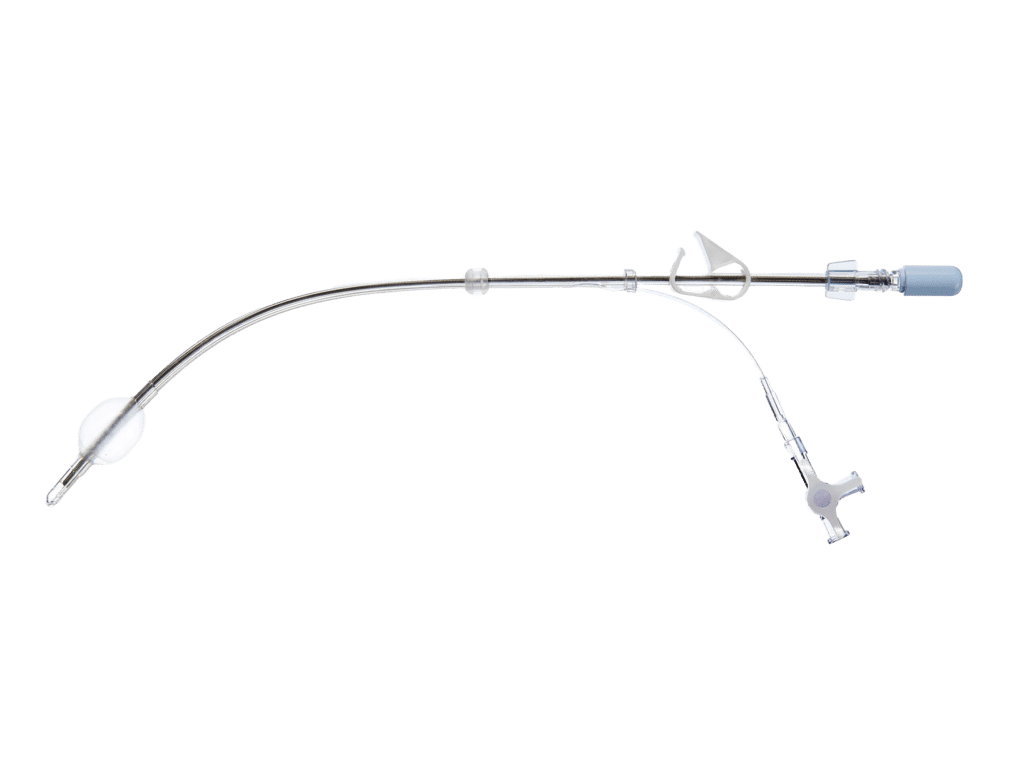
A perfusion tube is a sterile single-use medical tubular device designed for extracorporeal circulation connection and peripheral vascular interventional perfusion. In ECC systems, it connects oxygenators, blood reservoirs, arterial filters, and vascular cannulas to form a stable closed-loop blood circulation channel. In interventional scenarios, the specialized Peripheral Vascular Interventional Perfusion Catheter acts as a targeted drug delivery pipeline for thrombolysis and localized vascular treatment.
Equipped with precision side-hole design and radiopaque markers, this perfusion tube ensures accurate positioning and homogeneous drug dispersion, making it a dual-purpose core consumable for modern cardiac ECC and peripheral vascular intervention surgery.
[Product Image: Peripheral Vascular Interventional Perfusion Catheter]
2. Classification of Interventional Perfusion Tube Systems
2.1 Extracorporeal Circulation Perfusion Tube
Used for standard cardiopulmonary bypass procedures, responsible for connecting all ECC core components to maintain continuous extracorporeal blood perfusion during cardiothoracic surgery.
2.2 Peripheral Vascular Interventional Perfusion Catheter
Precision micro-perfusion tube for endovascular intervention, customized for targeted thrombolysis, localized drug delivery, and peripheral arterial disease treatment with variable diameter and length specifications.
3. Full Product Parameters & Official Data Source
All specifications below are official factory technical parameters for Peripheral Vascular Interventional Perfusion Catheter, applicable to ECC and interventional perfusion scenarios (Source: Poweron Medical official product technical dossier 2026).
| Parameter | Typical Specification |
|---|---|
| Catheter Outer Diameter (Fr) | 3F, 4F, 5F |
| Effective Length (cm) | 40, 45, 65, 90, 100, 135 (custom lengths available) |
| Perfusion Segment Length (cm) | 2 – 50 (full range) |
| Side‑hole / Side‑slot Design | Evenly distributed; 16 to 240 holes for homogeneous drug dispersion |
| Material | Medical‑grade polyurethane or nylon with radiopaque marker |
| Sterilization | Ethylene oxide or gamma irradiation |
Official Indications
This perfusion catheter is a dual-functional medical device: used to connect oxygenator, blood reservoir, arterial filters and cannulas in extracorporeal circulation, and applied for targeted drug delivery and thrombolysis in peripheral vascular interventional procedures.
4. Core Clinical Applications
- Extracorporeal Circulation Surgery: Build stable closed-loop blood circulation for cardiothoracic surgery and emergency ECC support.
- Peripheral Vascular Thrombolysis: Precise localized drug perfusion to treat arterial embolism and peripheral vascular lesions.
- Minimally Invasive Intervention: Radiopaque marker assists accurate catheter positioning for complex vascular anatomy.
- Long-term Critical Perfusion Support: Custom-length specifications adapt to diverse surgical and ICU treatment cycles.
[Application Scene Image: Vascular intervention & ECC perfusion operation scene]
5. Step-by-Step Engineer Selection Guide
Step 1: Confirm Vessel Condition & Surgical Type
Select 3F/4F/5F outer diameter according to target vessel size; choose short specifications for ECC connection and long specifications for peripheral interventional perfusion.
Step 2: Match Effective & Perfusion Segment Length
Select standard lengths (40cm–135cm) for routine surgery; apply custom lengths for special anatomical or equipment requirements.
Step 3: Verify Perforation Quantity for Drug Dispersion Demand
Choose 16–240 adjustable side holes based on drug dosage and perfusion uniformity requirements to avoid local drug concentration imbalance.
Step 4: Confirm Material & Sterilization Standard
Select medical polyurethane or nylon material with radiopaque markers; confirm EO or gamma sterilization to meet clinical sterile standards.
6. Professional FAQ for Procurement & Technical Teams
All answers sourced from Poweron Medical official product technical documents (2026)
Q1: What are the advantages of multi side-hole design on this perfusion tube?
A1: The evenly distributed 16–240 side holes deliver homogeneous drug dispersion across the target vascular segment, preventing local drug accumulation and improving the safety and effectiveness of thrombolysis and targeted perfusion treatment.
Source: Poweron Medical Structural Performance Specification
Q2: Why do interventional perfusion catheters adopt polyurethane or nylon material?
A2: Medical-grade polyurethane and nylon provide excellent flexibility, kink resistance, and biocompatibility. Built-in radiopaque markers allow real-time fluoroscopic positioning during ECC and interventional procedures.
Source: Poweron Medical Material Test Report
Q3: Can I customize the length and perfusion segment of the perfusion tube?
A3: Yes. The product supports full custom effective length and 2–50cm perfusion segment length, adapting to special ECC equipment layouts and complex peripheral vascular interventional surgery needs.
Source: Poweron Medical Custom Service Manual
Q4: What sterilization methods are available for disposable perfusion catheters?
A4: This interventional perfusion tube supports ethylene oxide (EO) sterilization and gamma irradiation, fully compliant with international single-use medical device sterile standards for ECC and interventional clinical use.
Source: Poweron Medical Sterilization Standard File
7. Summary & Official Inquiry CTA
Perfusion tube is indispensable for modern extracorporeal circulation systems and peripheral vascular interventional treatment. The Peripheral Vascular Interventional Perfusion Catheter features multi-size Fr specifications, full-range customizable length, uniform side-hole perfusion design, and radiopaque medical-grade materials, meeting dual demands of ECC pipeline connection and precise interventional drug delivery. It provides stable, safe, and high-precision consumable solutions for global hospitals, intervention centers, and medical equipment suppliers.
Professional Perfusion Tube & Vascular Catheter Supplier | Poweron Medical
Get full spec sheets, sterile certification documents, custom solution support and bulk wholesale pricing for interventional and ECC perfusion consumables.
Official Website: www.poweronmedical.com
WhatsApp: +86 13580813246
Business Email: sales@poweron-mould.com
Manager Tel:0755-89203200
Video laryngoscope
Disposable laryngoscope blade
Related Article